
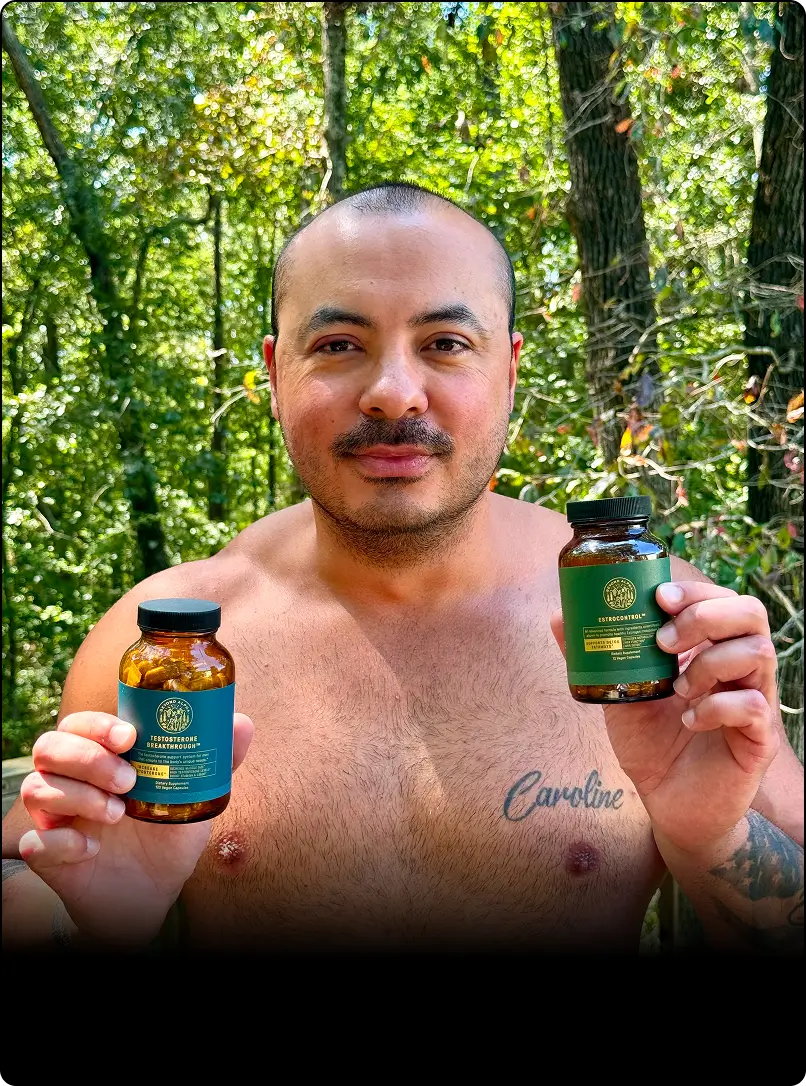


Beyond Alpha products are formulated without synthetic hormones or harsh stimulants, using ingredients that have been reviewed for safety, and all formulas are independently tested for purity. Some men notice changes in energy and mood within the first few weeks. If you are on prescription medication, managing a health condition, or currently undergoing testosterone replacement therapy, it is advisable to check with your doctor before starting. As with any supplement, consult your doctor if you have underlying health conditions.

Date: Mar 20, 2026
Three ways to stay physically capable in your 40s and 50s
Most men don’t notice when physical decline starts. One year, you’re keeping pace with guys half your age at the gym, and the next, your recovery is slower, your waistline is creeping, and the energy that used to carry you through a full day evaporates by mid-afternoon. It’s not imaginary, and the good news is, it doesn’t need to be inevitable.
A Harvard Health review puts the numbers plainly: men lose approximately 3-5% of muscle mass per decade from their thirties onward, with most men losing roughly 30% of their total muscle mass over a lifetime(1). Research tracking people over decades found that physical decline can begin as early as thirty-five, with measurable drops in muscular endurance and aerobic capacity that accelerate throughout men’s forties and fifties(2).
The good news? Science is equally clear that the decline is not an inevitable fate; in fact, the men who stay strong, lean, and energetic into their fifties and beyond are not ‘lucky’, they’re proactive. In other words, they made their own luck.
Three evidence-backed ways to stay physically capable as you age
1. Lift heavy and lift consistently
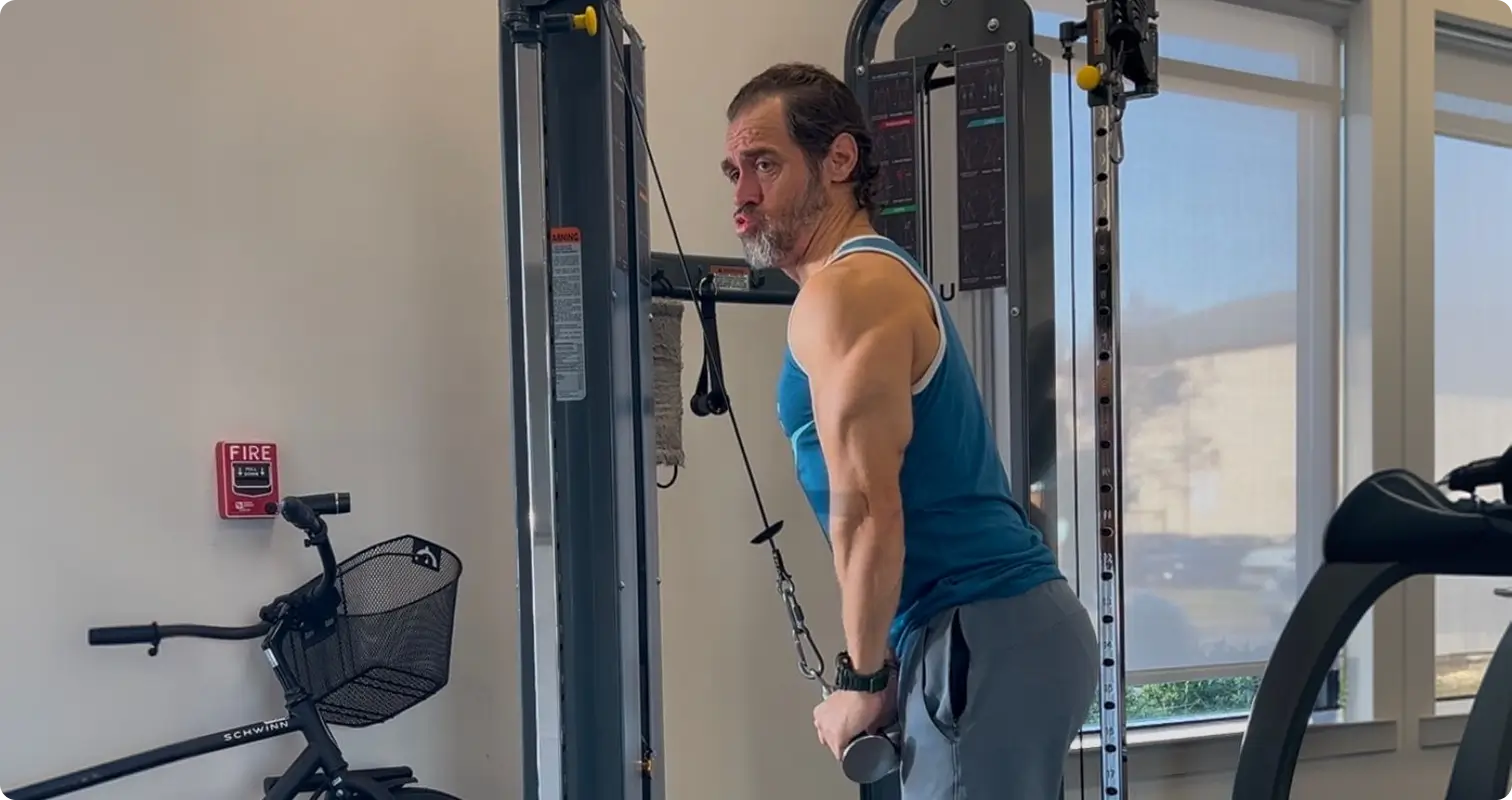
Resistance training is a priority for men over forty. The age-related loss of muscle mass and strength begins around forty and is unlikely to reverse on its own, which makes progressive resistance training an important tool to counter it.
The evidence is striking. Research shows that recreationally strength-trained older men can have muscle function far closer to that of younger men(3, 4). Consistent, structured lifting doesn’t just help slow the clock; it can help rewind it in terms of what your muscles can do.
For men in their forties and fifties, a well-designed program might include two to three full-body resistance sessions per week, covering compound movements, squats, hip hinges, rows, and presses, with some attention to explosive or power-based reps (moving weight fast with control). Research specifically highlights power training as especially effective for preserving mobility and functional capacity in later life(4). Adding balance work rounds out a program that helps protect you for everyday life, not just the gym.
It’s important to note that consistency can be more important than intensity, as sporadic sessions are unlikely to have as much effect as sustained habits.
2. Address the hormonal shift directly
High-intensity interval training (HIIT) can boost testosterone in men 35-40, supporting muscle and energy, but requires consistency(5). Research suggests that low free testosterone independently predicts muscle loss in men, with low levels raising sarcopenia odds over 2x(6). Meanwhile, elevated estrogen in men is linked to increased fat storage, particularly around the abdomen, the stubborn belly fat that resists conventional dieting.
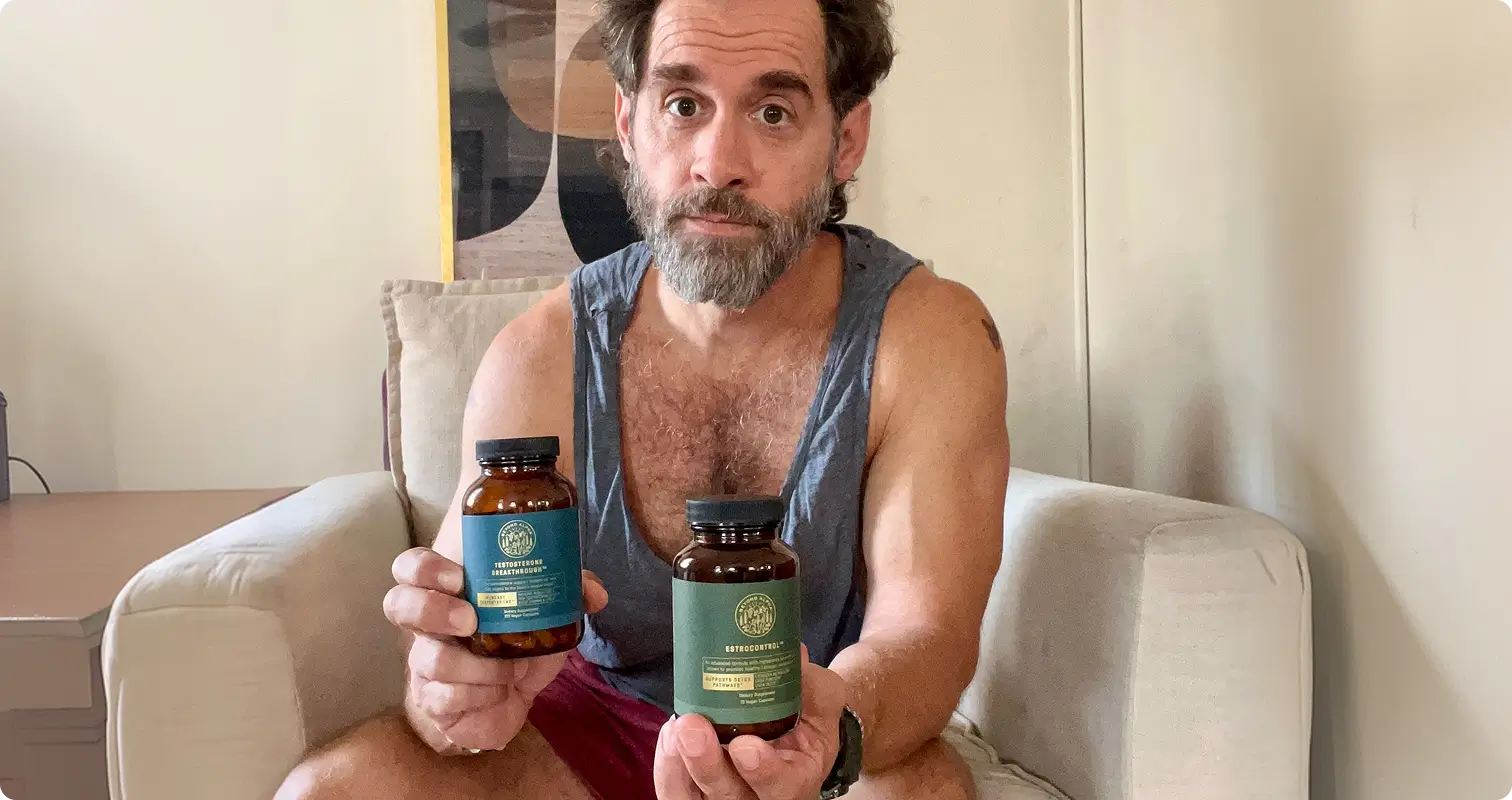
This is where a targeted, science-backed supplement protocol can make a measurable difference. The Beyond Alpha Ultimate Alpha Stack combines two formulas scientifically designed to work together to provide:
- 313% increase in total testosterone levels within ten hours
- 138% increase in strength
- 32% reduction of stress
- 224% more weight loss
The Ultimate Alpha Stack targets two sides of the hormonal equation most men ignore: getting testosterone working for them while clearing the estrogen load that works against them. The result is a more favorable internal environment for building lean muscle, shedding stubborn fat, and sustaining energy.
3. Treat recovery as training
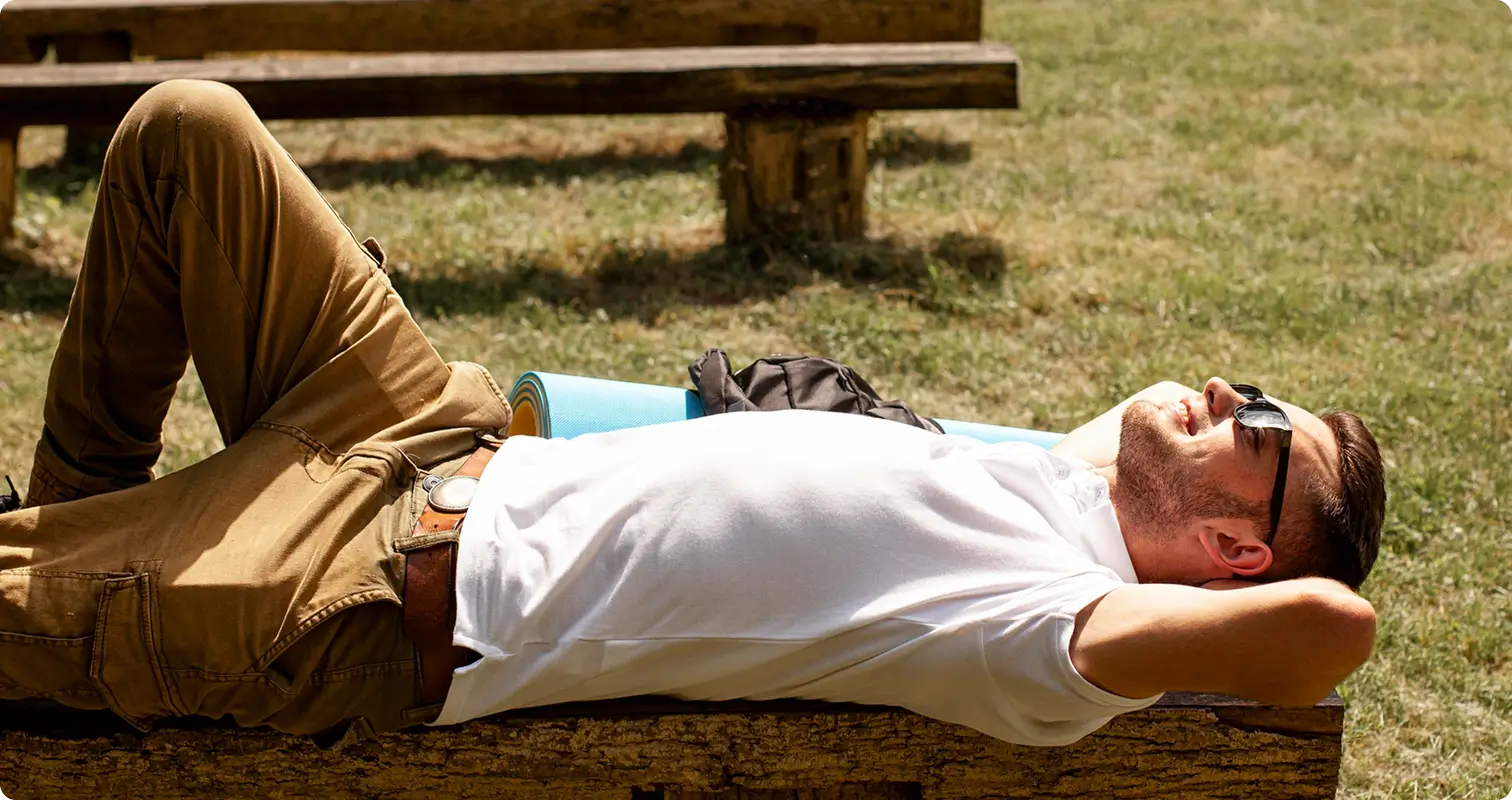
If you’re a man in your forties and fifties who is training harder and recovering less, that’s not an ideal equation. Recovery, sleep, protein, and stress management are where physical capability is built. Neglecting it doesn’t make you tougher; in fact, it can accelerate decline.
Protein is an important nutritional variable. Research often shows that protein combined with exercise enhances strength and physical performance more than either alone in adults experiencing age-related muscle loss(7). Getting enough quality protein daily is as important as the training itself. Prioritising protein alongside a balanced diet rich in lean meats, fish, legumes, vegetables, and healthy fats gives your body the best foundation to maintain muscle and support recovery as you age.
Sleep is equally important. Deep sleep is when the body repairs muscle tissue, regulates cortisol, and supports hormone production. Aim for approximately seven to nine hours of quality sleep per night to maximise recovery and hormonal balance.
Managing stress sits in the same category as sleep, not a lifestyle luxury, but a physiological requirement. Chronic stress elevates cortisol levels, which directly opposes muscle building and recovery. Incorporating stress-reduction practices such as meditation, breathwork, or yoga can significantly improve your recovery profile.
Reducing inactive time also matters independently of formal exercise. Research suggests that prolonged inactivity plays a meaningful role in declining physical capability across the life course, meaning the hours you spend sitting work against the hours you spend lifting(8). Movement throughout the day, taking the stairs, walking between meetings, standing while working, not just structured sessions, is part of the picture. This non-exercise activity thermogenesis can contribute significantly to overall energy expenditure and metabolic health.
The bottom line
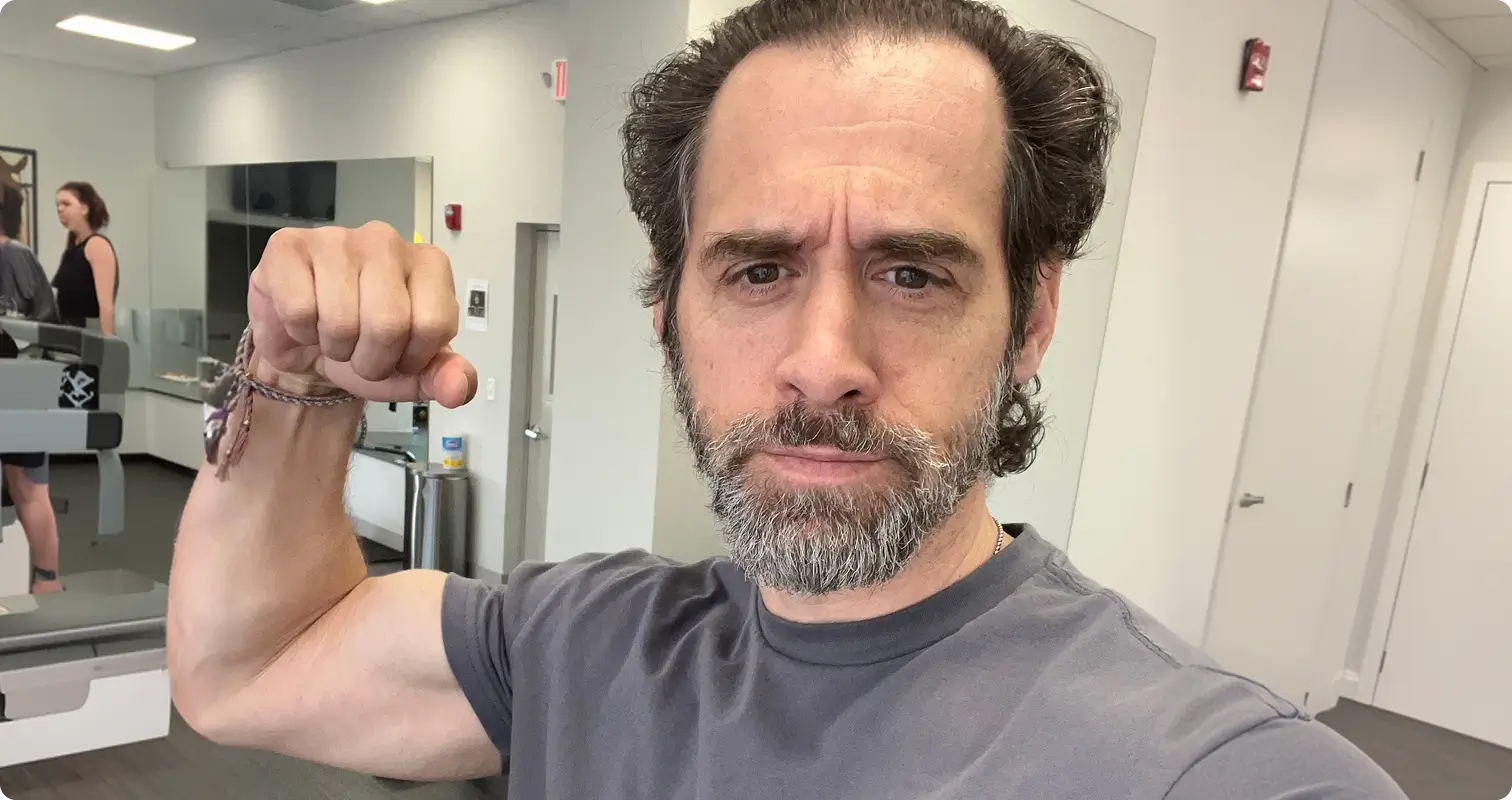
Consistent resistance training, a hormonal environment optimized to support muscle and energy, and genuine investment in recovery are three key pillars that separate men who feel capable and strong at fifty from those who don’t.
Your biology is not working against you; it’s waiting for the right conditions.
The Beyond Alpha Ultimate Alpha Stack is designed to help create those conditions with 24 clinical-grade natural ingredients targeting testosterone, estrogen balance, energy, and body composition.


Ultimate Alpha Stack
Rated 4.8 out of 5 stars
1,294 Reviews


Original Ultimate Alpha Stack is made by Beyond Alpha and available only at beyondalpha.co
Frequently Asked Questions
Do Beyond Alpha supplements have any side effects?
How long before I notice a difference?
Results vary between individuals. Some men notice changes in energy and mood within the first few weeks; improvements in body composition typically take longer and are most noticeable when supplementation is combined with regular activity and a balanced diet. Individual results may vary.
How long should I use the Beyond Alpha range for?
Beyond Alpha recommends a minimum of three months of consistent use, giving the body time to rebalance, support muscle retention, and build new patterns. Many men continue long-term as part of their ongoing health routine. A subscribe and save option is available for continued use at a reduced price.
Are Beyond Alpha products suitable for men over 60?
Men over 60 are often among those who notice the most meaningful improvements, as age-related hormonal decline tends to be more pronounced at this stage. All Beyond Alpha products use natural rather than synthetic hormonal ingredients and are formulated without harsh stimulants. If you are over 60 or taking other medications, it is always advisable to check with your doctor before starting any new supplement.
References
(1) Harvard Health Publishing. Preserve your muscle mass.
(2) Westerståhl et al. (2024). Rise and Fall of Physical Capacity: A 47-Year Longitudinal Study. Journal of Cachexia, Sarcopenia and Muscle.
(3) Izquierdo et al. (2021). International Exercise Recommendations in Older Adults (ICFSR): Expert Consensus Guidelines. The Journal of Nutrition, Health & Aging.
(4) Izquierdo et al. (2024). Global consensus on optimal exercise recommendations for enhancing healthy longevity in older adults (ICFSR). The Journal of Nutrition, Health & Aging.
(5) Ambrózy et al. (2021). The Effect of High-Intensity Interval Training Periods on Morning Serum Testosterone and Cortisol Levels and Physical Fitness in Men Aged 35–40 Years. Journal of Clinical Medicine.
(6) Yuki et al. (2013). Relationship between Low Free Testosterone Levels and Loss of Muscle Mass. Scientific Reports.
(7) Ji et al. (2025). Effect of Exercise and Nutrition Intervention for Older Adults with Impaired Physical Function with Preserved Muscle Mass. Clinical Interventions in Aging.
(8) Kuh et al. (2014). A life-course approach to healthy ageing: maintaining physical capability. Proceedings of the Nutrition Society.