
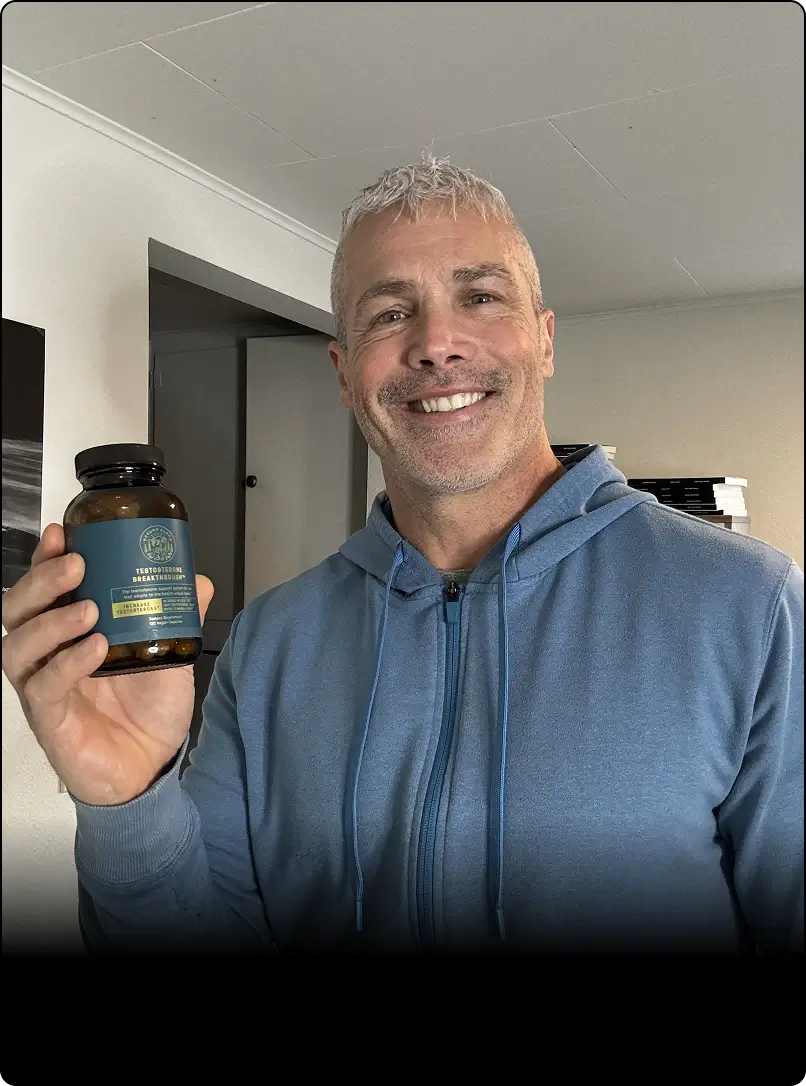


Testosterone Breakthrough™ is a daily food supplement formulated for adult men who want to support their nutrition as part of a wider focus on training, sleep, and overall health. It is particularly relevant for men in their forties and fifties who are paying more attention to their hormonal health, but it is suitable for any healthy adult man looking for a structured way to support his daily intake of zinc and a wider blend of plant extracts. Men with diagnosed medical conditions, or those on prescribed medication, should speak with their GP before starting any new supplement.
Date: May 8,2026
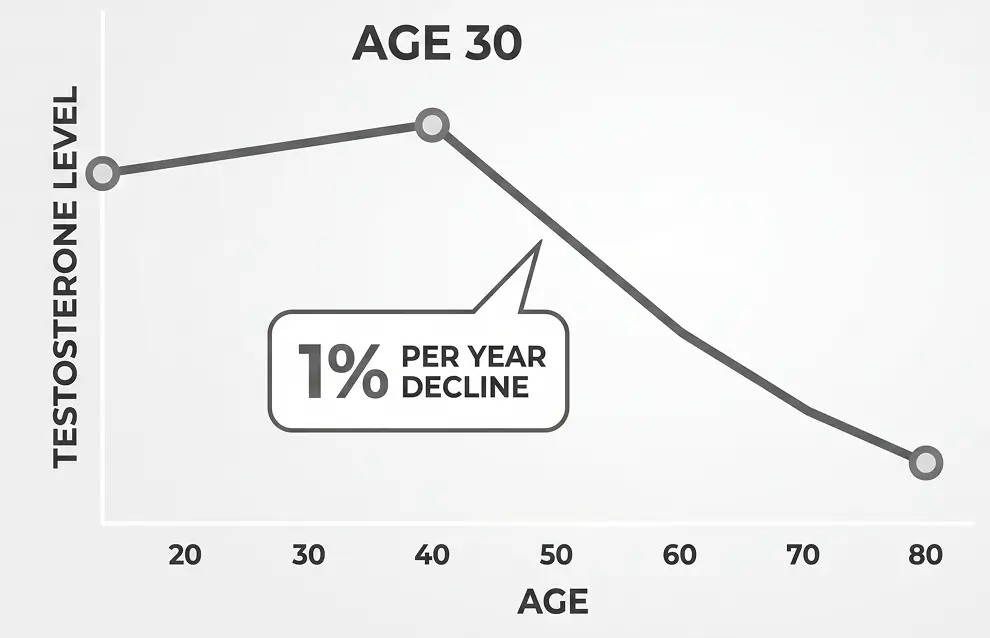
The Invisible Decline: How Men Lose 1% of Their Testosterone Every Year After 30
Most men do not notice the moment it starts.
There is no alarm, no diagnosis, and often no obvious turning point, just a quiet, year-on-year shift that can leave a man in his late forties wondering why he no longer feels the way he used to, despite not really doing anything differently.
The energy is flatter, the recovery slower, and the motivation harder to summon. That gradual change has a name and a number behind it.
What is the 1% rule, and where does it come from?

Research published in the International Journal of Nutrology in 2025 reviewed the major clinical literature on testosterone and male ageing and reported that, after the age of 30, testosterone levels in men decline at a rate of roughly 1 to 2 percent per year.[1]
This might sound small in isolation, but stretched across two decades, it can add up, and by the time a man reaches his early fifties, his biological profile can look meaningfully different from the one he had in his late twenties.
This is often not a failure of effort or willpower; it is a slow biological shift, well documented across longitudinal studies, that quietly reshapes how the male body looks, performs, and feels. The challenge is that the change is so gradual it tends to be filed under "getting older" rather than recognised for what it actually is.
Why most men miss the warning signs of testosterone decline

The decline often goes unnoticed, largely because it can be incremental. A one percent shift in any single year is well below the threshold most men would notice. It is only when the trajectory is viewed over five, ten, or fifteen years that the picture becomes clear: the stamina that has quietly faded, the lean muscle that no longer builds the way it used to, and the belly fat that has settled in despite no real change in diet.
Many of these signs get rationalised away; for example, tiredness is blamed on work, lower drive is put down to stress, and weight gain is attributed to a slowing metabolism. Each explanation is reasonable on its own, but together, they obscure a pattern with a clear biological component.
How does low testosterone show up in your forties and fifties?

The clinical picture of declining testosterone is well established. A 2022 review in the International Journal of Molecular Sciences summarised that low testosterone in men is associated with reduced sexual desire, erectile difficulties, decreased skeletal muscle mass and strength, lower bone mineral density, increased cardiovascular risk, and shifts in metabolic markers.[3]
For a man in his late forties or early fifties, that often translates into a familiar everyday experience: harder to keep weight off the midsection, harder to recover after a workout, harder to sustain mental energy through the afternoon.
None of these symptoms is unique to low testosterone, which is part of why the decline goes under the radar. But when several of them cluster together in a man over 40, biological change is one of the more credible explanations.
The lifestyle factors quietly accelerating the decline

Age sets the slope, but lifestyle decides how steep it gets. A 2023 individual participant data meta-analysis in the Annals of Internal Medicine pooled data from over 21,000 men and identified several factors associated with lower testosterone, including higher body mass index, low physical activity, hypertension, cardiovascular disease, and diabetes.[2] Notably, body mass index showed an inverse relationship with testosterone across the adult age range.
What this means in practice is that the natural age-related decline rarely happens in isolation. Sedentary work, poor sleep, weight gain around the middle, and metabolic strain stack on top of the underlying biological shift and accelerate it. The same factors are largely modifiable, but lifestyle changes alone are often slow to produce visible results, especially after years of compounded change.
Can you do anything about it?

There is no single intervention that turns back the clock; what men in their forties and fifties can realistically focus on is slowing the slope and addressing the lifestyle factors that compound the underlying shift.
That typically involves three things working together: regular resistance training to support lean muscle, attention to sleep, weight, and metabolic health, and a balanced diet that supplies the micronutrients the body needs for normal hormonal function. Each piece reinforces the others, and none is a substitute for the rest.
Where Testosterone Breakthrough™ fits in
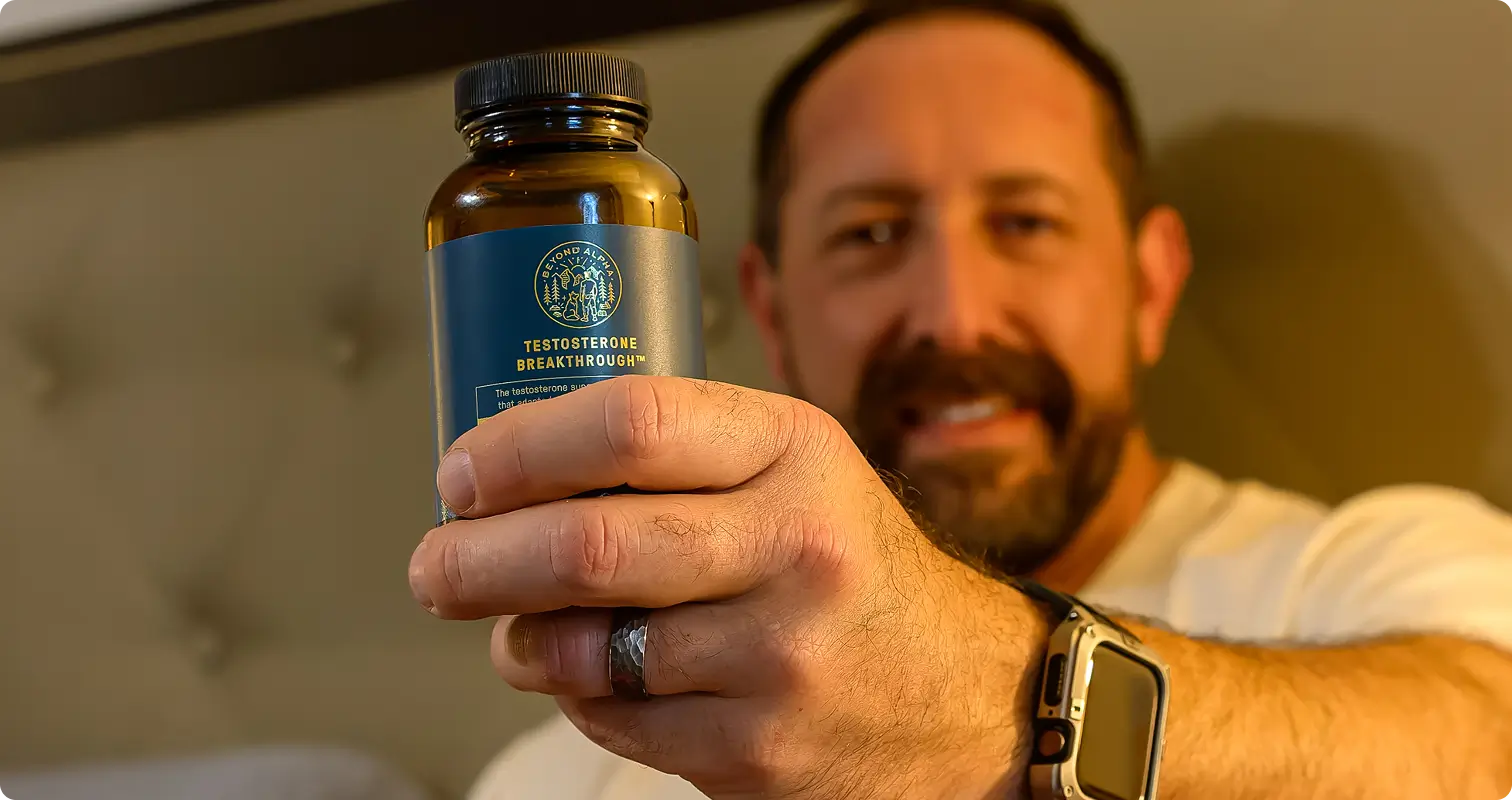
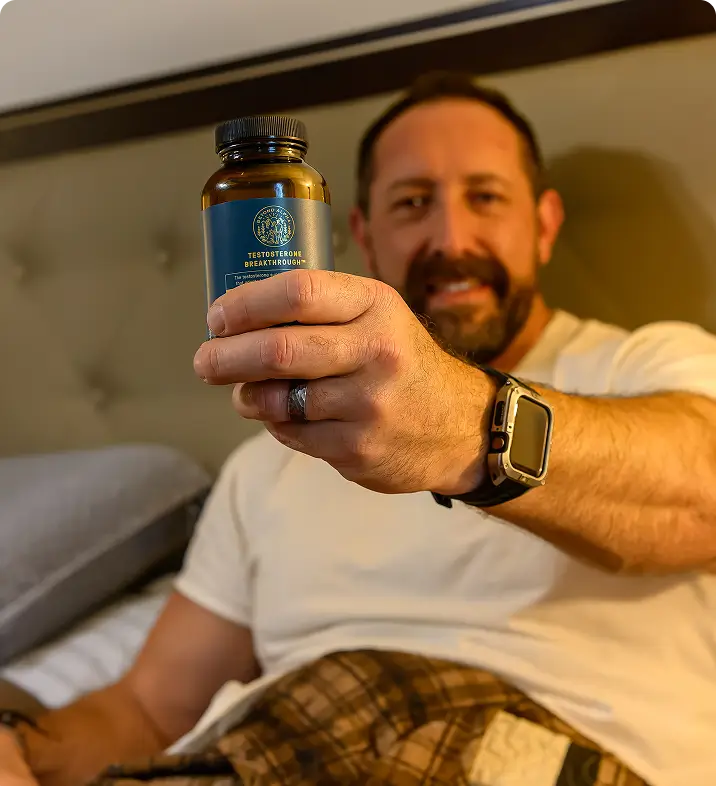
Testosterone Breakthrough™ is formulated for men who recognise the shift and want a structured way to support their nutrition alongside their training and lifestyle work. The formula contains zinc, which contributes to the maintenance of normal testosterone levels in the blood, and is built around a wider blend of plant extracts and minerals, including fenugreek, ashwagandha KSM-66, tongkat ali, shilajit, boron, black maca and rhodiola rosea.
This article is informational and is not a substitute for medical advice. Any man who suspects he has clinically low testosterone should speak with his doctor before starting a new supplement.
Key takeaways
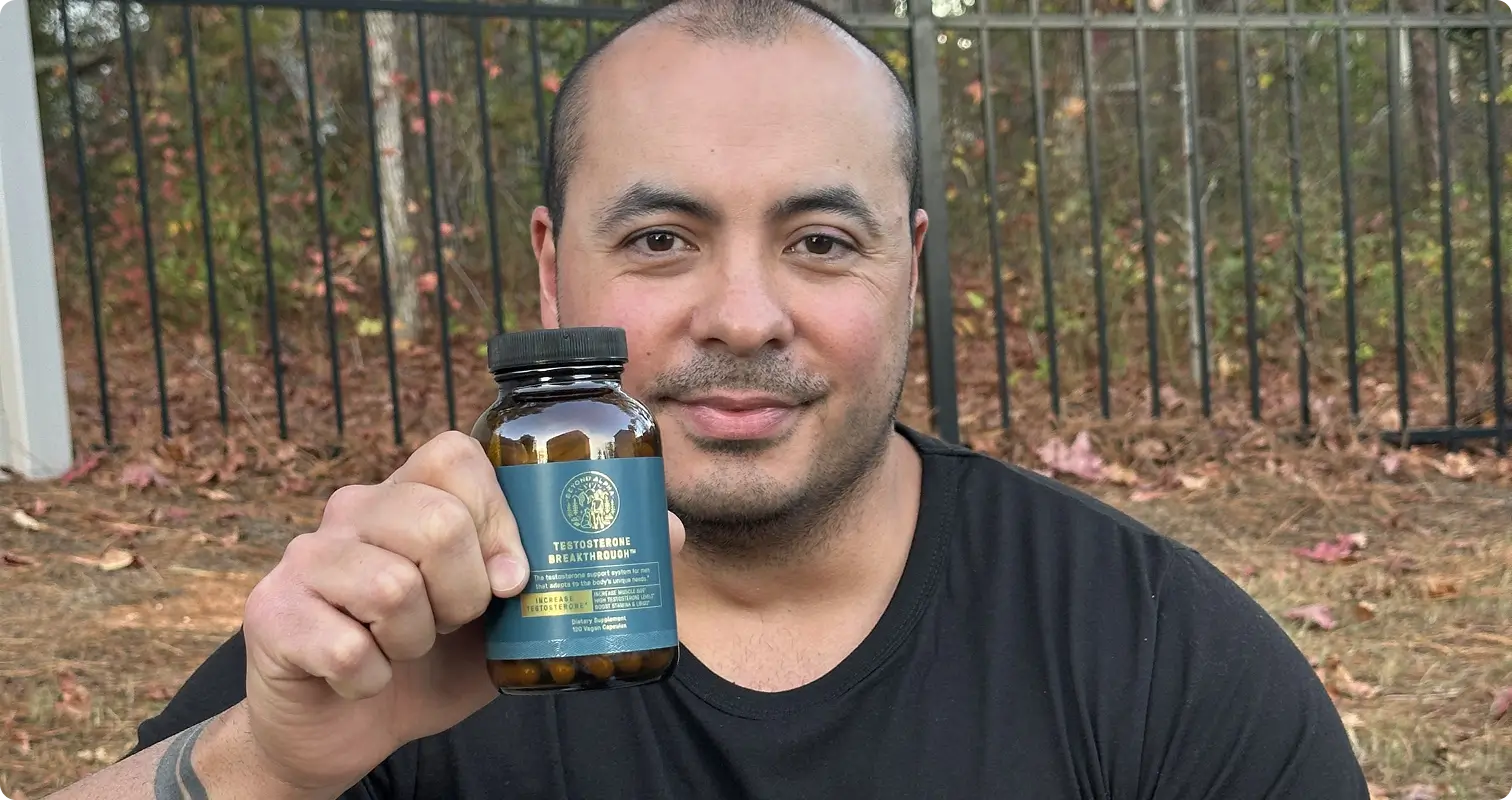
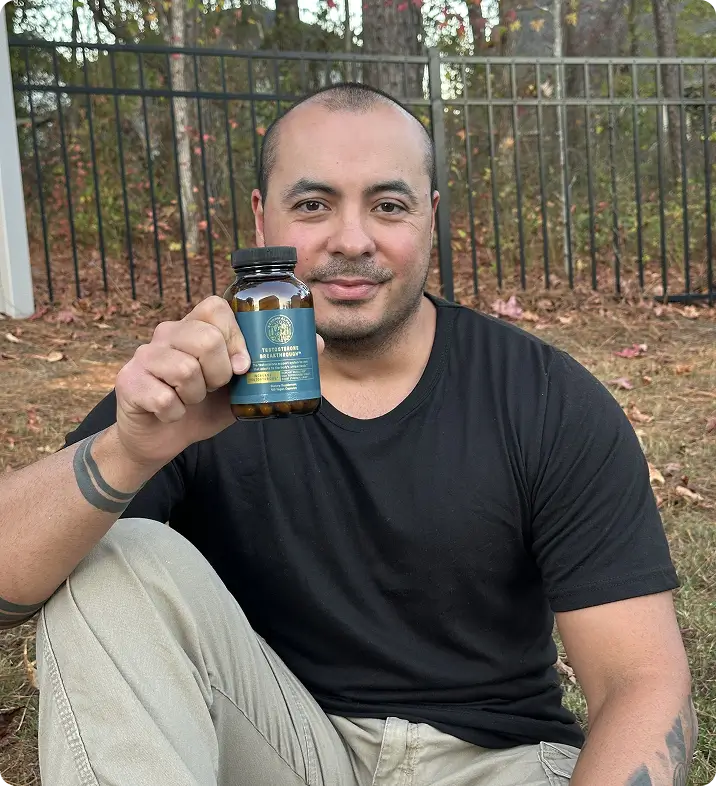
The one percent annual decline is invisible by design, as it is too small to feel year to year, but large enough to redefine how a man looks and feels by his fifties. Recognising the pattern early is the first step; acting on it, through training, lifestyle, and targeted support, is what determines whether the next decade looks like a slow fade or something closer to a second peak.
Take the first step toward supporting your biological health.
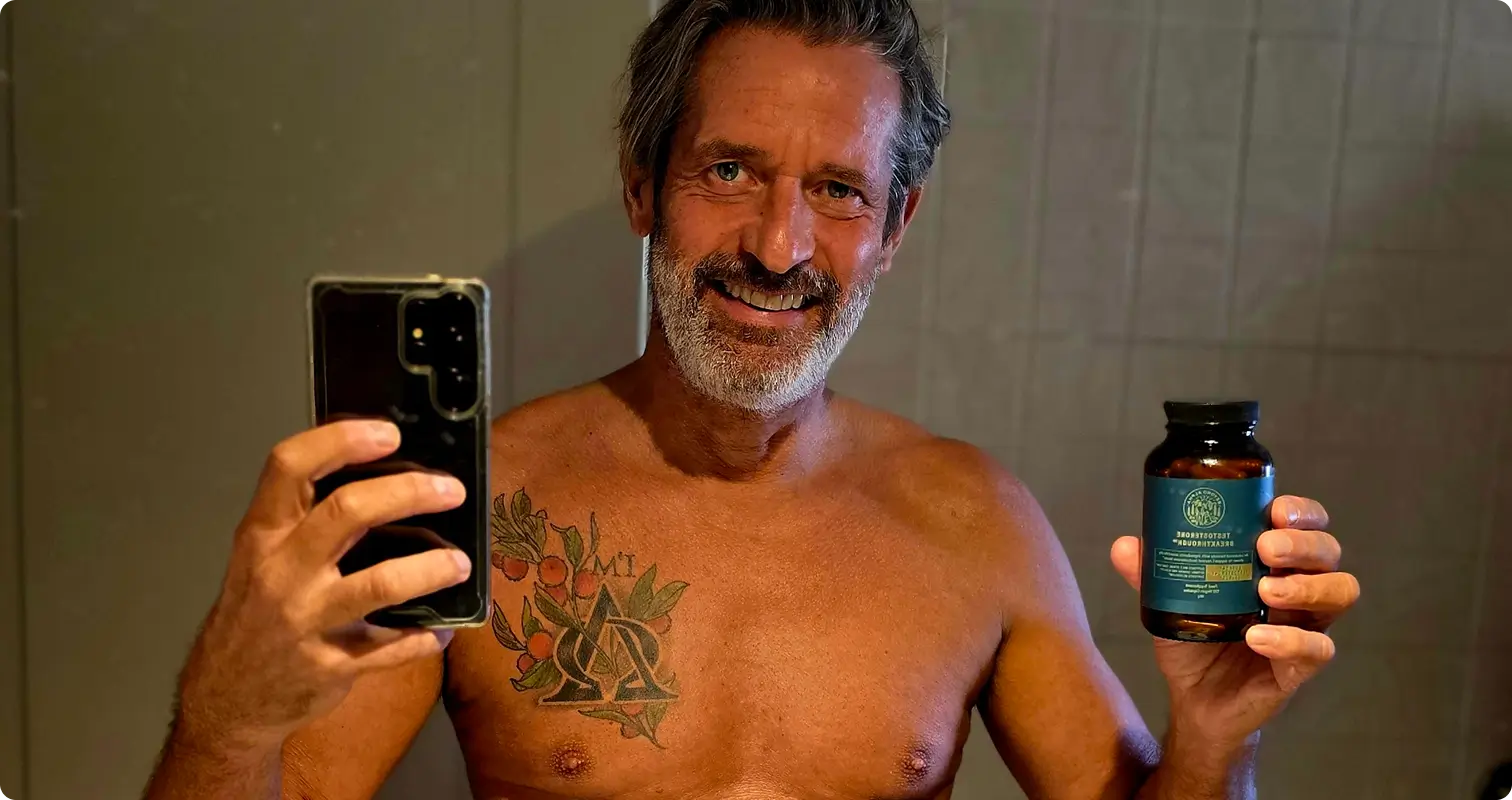
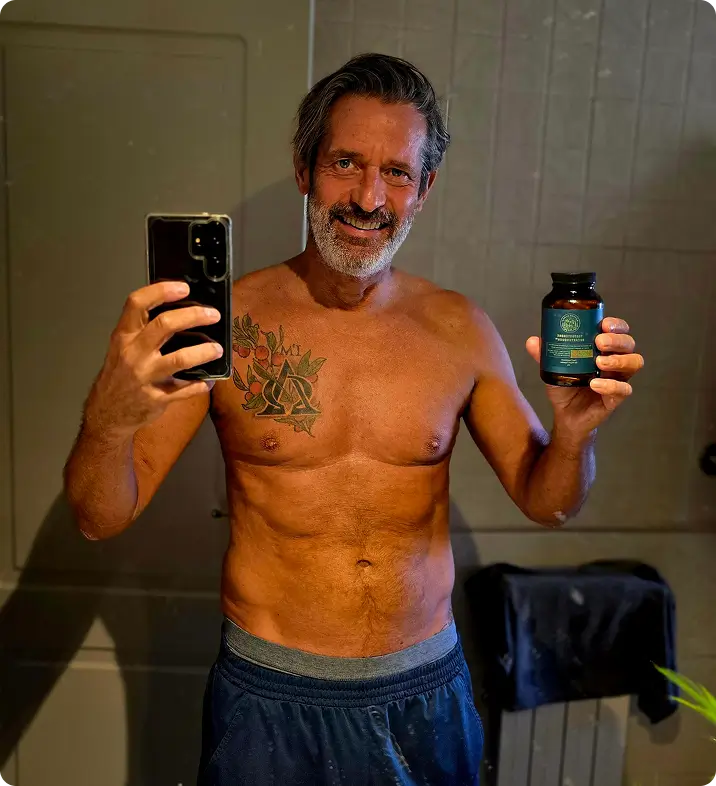
Created by a nutritional scientist and formulated with natural, potent ingredients. See what is inside the formula.
Disclaimer: This article is for informational and educational purposes only and is not intended as medical advice. The statements made about Testosterone Breakthrough™ have not been evaluated by any regulatory body. The product is a food supplement and is not intended to diagnose, treat, cure or prevent any disease. Consult a qualified healthcare professional before starting any new supplement, particularly if you have a medical condition or take prescribed medication.


 Verified Buyer
Testosterone Breakthrough™
Rated 4.8 out of 5 stars
641 Reviews


Original Testosterone Breakthrough™ is made by Beyond Alpha and available only at beyondalpha.co
 Verified Buyer
Frequently Asked Questions
Who is Testosterone Breakthrough™ designed for?
How do I take Testosterone Breakthrough™, and is the formula suitable for vegetarians?
The recommended daily intake is four capsules, which can be taken together or split across the day, ideally with a meal. Consistency tends to matter more than timing, so the most useful habit is taking it daily as part of an existing routine. The formula is plant-based and contains no animal-derived ingredients, making it suitable for both vegetarians and vegans. As with any supplement, do not exceed the recommended daily dose, and store it out of reach of young children.
What does the zinc in Testosterone Breakthrough™ actually do?
Zinc contributes to the maintenance of normal testosterone levels in the blood. It also contributes to normal fertility and reproduction, and to the protection of cells from oxidative stress. It is found naturally in foods such as red meat, shellfish, seeds, and legumes, but daily intake can fall short for men eating a lower-meat or more processed diet. A daily supplement that includes zinc at a meaningful dose is a straightforward way to support that baseline.
References
1. Araujo, J. A. A. et al. (2025). Major clinical studies on the relationship between testosterone levels and aging in men: a systematic review.
International Journal of Nutrology. | Full article
2. Marriott, R. J. et al. (2023). Factors associated with circulating sex hormones in men: Individual Participant Data meta-analyses.
Annals of Internal Medicine. | Full article
3. Barone, B. et al. (2022). The Role of Testosterone in the Elderly: What Do We Know? International Journal of Molecular Sciences. | Full article